

History of The Society of Lymphatic Surgeons
History of the American Society of Lymphatic Surgeons (ASLS) and Its Evolution into the Society of Lymphatic Surgeons (SLS)
Origins: Filling a Void in Surgical Collaboration

In the late 2000s, lymphatic surgery was an emerging but fragmented discipline. Although lymphatic societies existed globally, none focused exclusively on the surgical treatment of lymphatic diseases. Internationally recognized platforms for surgeons to discuss lymphatic reconstruction simply did not exist.
At that time, the American Society for Reconstructive Microsurgery (ASRM) was seeing a small, but steady growth in lymphatic abstracts. However, presentations were scattered across multiple sessions with no dedicated forum. Recognizing this gap, Dr. Joseph Dayan, a then junior attending with a passion for lymphatic surgery, envisioned a society that could provide a devoted forum for lymphatic surgeons.
Dr. Joseph Dayan first approached his mentor, Dr. James Higgins, who introduced him to other leaders including Drs. Peter Neligan, Bernard Chang, Babak Mehrara, David Chang, Mark Smith, Bernard Lee, and Dhruv Singhal. This group became the founding core of the American Society of Lymphatic Surgeons (ASLS).
Formalization and Early Years
The society’s mission was clear: to create a collaborative space for lymphatic surgeons to share experiences, present data, ask challenging questions, and cultivate transparency and collegiality.
Starting in 2012, ASLS held satellite sessions after ASRM’s annual meetings. Early attendance was modest but deeply committed.
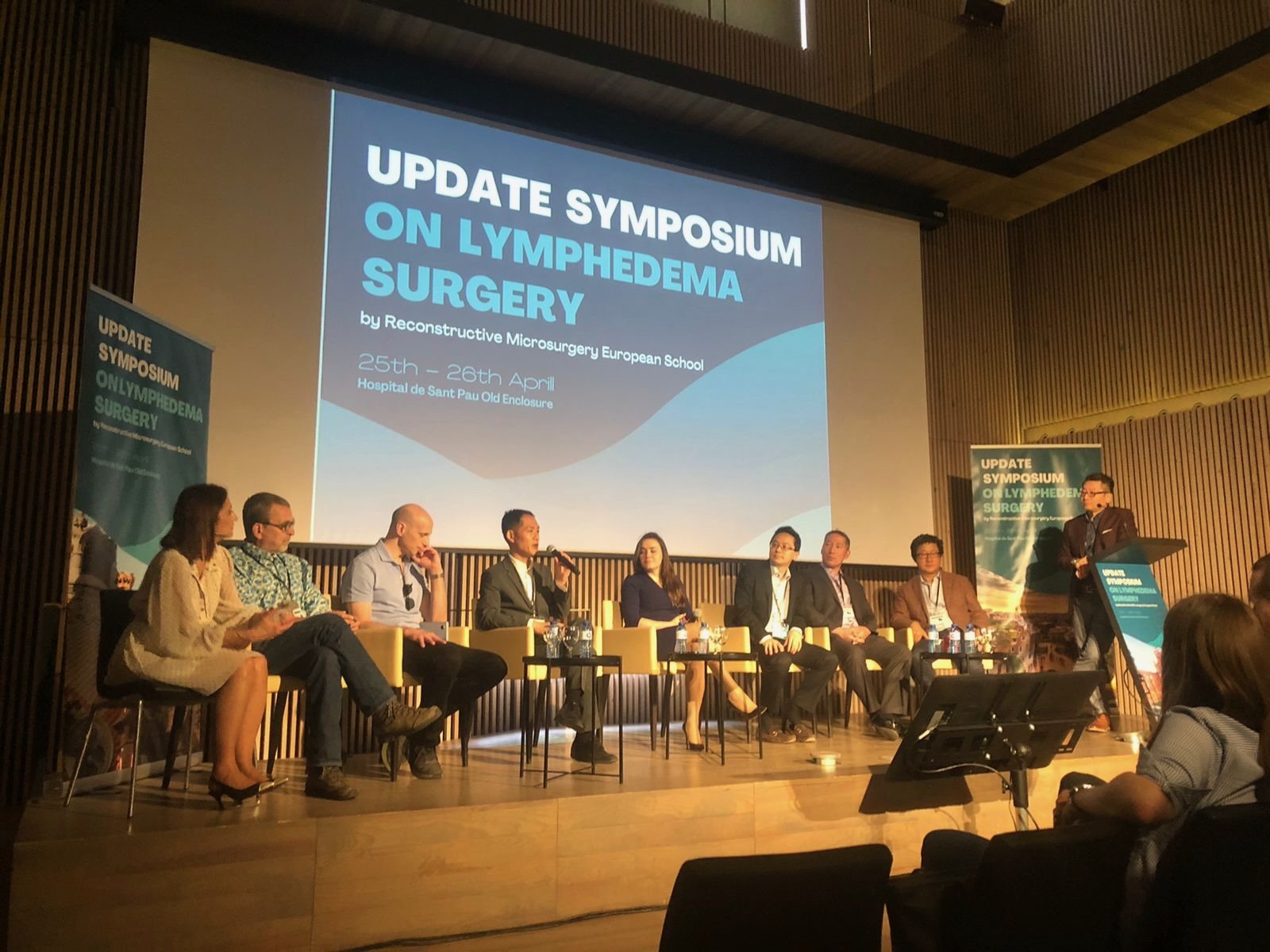
From 2012 onward, the ASLS grew in attendance and stature
Annual meetings quickly became a highlight of the field, with the original “extra day” evolving into a sought-after session that often culminated in standing-room-only lectures. As the meetings grew, the quality of science steadily rose; early anecdotal presentations gave way to long-term prospective data and even randomized controlled trials. These gatherings also played a pivotal role in shaping the next generation of surgeons, as exposure to lymphatic surgery became a key driver for fellowship applicants and an impetus for expanding expertise. Importantly, the meetings fostered a practical exchange of knowledge, where surgeons openly discussed complications and best practices, creating a culture of transparency in what had once been a more guarded field. Beyond advancing science and training, the society raised the visibility of lymphedema itself, shifting its perception from a purely rehabilitative challenge to a legitimate surgical problem recognized by major plastic and reconstructive surgical societies and eventually incorporated into board certification content. At the same time, ASLS became a vehicle for patient advocacy, pushing for insurance recognition and broader access to care.
Legacy
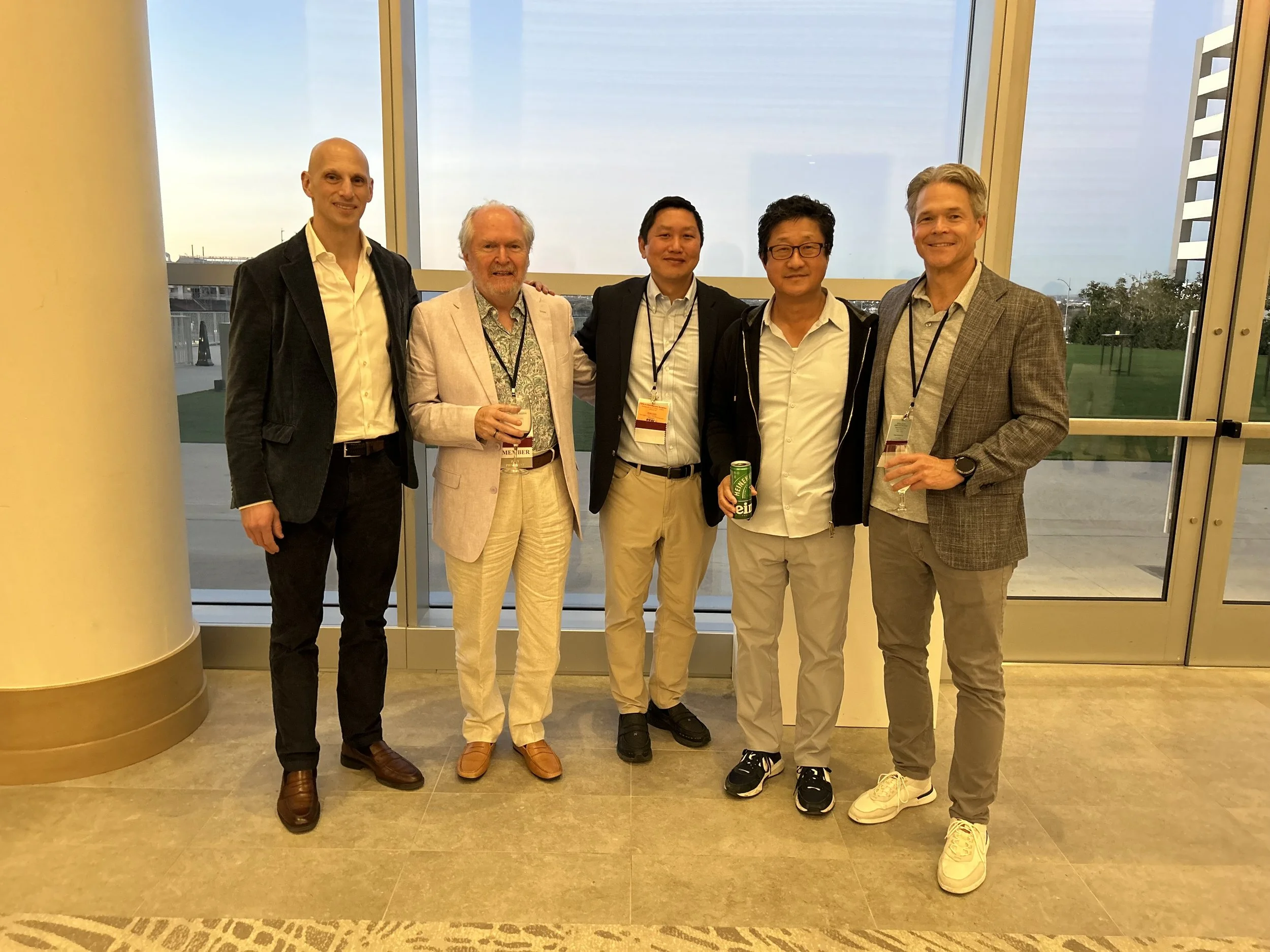
The ASLS leaves a profound legacy:
A unified surgical voice championing lymphatic disease treatment.
A collaborative platform transforming isolated efforts into a vibrant learning community.
Elevation of lymphatic surgery from experimental to an established subspecialty.
Inspiration and mentorship fueling new generations of surgeons pushing the field’s boundaries.
the Birth of the Society of Lymphatic Surgeons (SLS)
In 2026, the SLS was formally incorporated as an independent organization to advance lymphatic surgery through education, research, collaboration, and patient-centered advocacy – with the ultimate goal of advancing lymphatic care and restoring quality of life worldwide.
Want to learn more?
Historian’s Corner